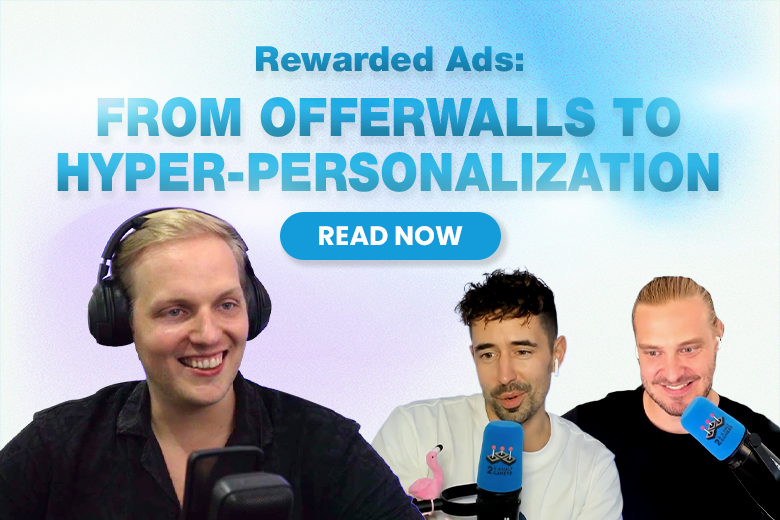


TyrAds X Masters of Privacy
AI, Privacy And The Future Of Hyper Personalized Advertising
The momentum of progress in mobile marketing is fast. New rules pop up all the time, and new tech drops in daily, and tracking keeps getting updates, you gotta watch. If you work here, you gotta react fast, or you’re left behind.
So, our founder, Zino Rost van Tonningen, was invited to the podcast, where he explained new trends in advertising. He said that ads these days aren’t about just putting something in front of people anymore. It’s about sharing the right message with the right person at exactly the right time. This is what makes hyper personalized advertising special. When you use data from your own users, you can shape every person’s ad experience to get way better results.
If you want to watch the complete podcast, find it here. Below is a detailed summary of this podcast!
Why First Party Data is the Real MVP
Zino said it straight: first party data matters most. Platforms that keep their data in house end up doing way better because they get to see what people actually do and move fast. If you rely on data from others, you end up exposed. But, when you collect insights from your own users, you can create sharper, smarter campaigns.
First party data is just yours. You got it yourself. Nobody else gave it to you. Not some guessed info. These are real details from people on your app. With this customer data, you can reach people way better than when you try third party things.
Zino says the big winners in the market are folks who actually own and control their data. They don’t just sit on it , they break it into groups and use it to make smart choices. That’s the real secret behind personalization marketing. If you don’t have solid data you’re kind of guessing and nobody wants to spend their ad money on guesswork.
The Data Collection Game Has Changed
Getting quality data is tough now. Laws like GDPR and new privacy stuff, plus Apple and Google updates just make data collection harder than before. It used to be easy to snag user IDs right from devices but things changed quickly. Now with all these privacy laws and big tech moving the goalposts, you gotta get user consent upfront. That’s how you build trust and make sure how you collect data matches what the strict rules want from you.
Zino talked about why asking users is now a must. You can’t just take data whenever you want. These days you gotta get the user’s okay first. It’s all about building a real connection. You let your user decide if you can use their info for a better experience or not.
So you gotta get specific and careful when you’re collecting and using info like this. Mess up here and you might get regulators at your door, and nobody wants that. Even Zino pointed out, big names like Meta and Google get watched closely. They gotta follow all the same rules or risk heavy fines.
So, this tells you one thing: get smart with how you collect data. When you build trust, people’ll share more info, and that’s when you can really boost their customer experience. It all flows together and just keeps moving forward.
Is Fingerprinting Dead?
People want to know if fingerprinting works, but Zino shared that it’s fading out because Apple and Google keep hiding more device details. For the long term, it’s not a smart plan to count on fingerprinting; these companies take away the signals you’d want for it to work, so it keeps getting weaker.
Zino says fingerprinting is on the way out. As browsers and systems take away the details you need for it, putting your whole plan on fingerprinting will probably just cause problems down the road
However, you don’t need to stress. You still have options.
Zino talked about the Google Play Referrer, and it’s a tech that supports attribution in a simple way. It doesn’t track private user data or secrets. It just gives you info like, “Hey, this install came from this ad.” This approach is privacy friendly and could be what Android uses most in the future for tracking.
AI and Machine Learning Is The Secret Sauce
Now, if you think about why machine learning matters so much for hyper personalized advertising, it’s pretty simple. It isn’t only speeding up how fast you check your data; it actually helps you spot what users are doing and what they like, so you can show them something right when it fits.
Zino’s team uses things like LLMs and other smart automation tools to see patterns in what people do, and then they turn that into smarter targeting for ad campaigns that work better and feel right to the end user, not forced. So that’s what makes true personalization possible now.
Everything connects back to what people are doing right then.
A while back, labeling data was slow work. People had to tag stuff by hand or rely on simple scripts that didn’t really do much. It took a long time and I wasn’t too smart.
Now these LLMs help us see context across way more data than ever. You can tag anything in your app. Tag the content. Tag the user’s journey. Tag how people interact.
If you do this, you start seeing connections you never thought about before. Maybe users who like cute cat games are also big into heavy metal music. Weird right, but the patterns can really surprise you.
When you dig deep into the data you really start seeing new groups pop up. You find types of users you never saw before. This changes everything for marketing campaigns because now instead of just going for a boring target like “Men 18-35,” you can get right into groups like “People playing late at night who love strategy games and bright red buttons.”
That’s what you get with smart automation in place. You don’t have to guess so much now, you just spot user signals even through all the noise.
What is Hyper Personalized Advertising?
Hyper personalized advertising is when brands mix good data with smart machine learning tools to show ads that really fit each person. Instead of just throwing in a name or repeating the same ad to everyone, they can switch up what you see when you see it and suggest stuff you might like based on your actual behavior.
Zino says simply, give your marketing team the right tools, and they’ll make every user feel like the content is set up for them. This not only makes people click more stuff but also helps build heavy loyalty over the long haul.
Hyper personalization isn’t just about dropping someone’s name in an email. That’s pretty old school now. The real thing is flipping the whole ad experience so it fits what you know about each user.
We’re seeing the same thing show up in mobile games now, too.
Say someone’s deep in your game. You notice they keep losing the tough boss fights but always hunt for cool items. So you can run an ad for them with a new game all about collecting stuff. Easy, right? Plus, when you set up the creative, you just show that item collecting, not even hint at the boss fights at all.
This is what really relevant content looks like: you are fitting the ad to match exactly how the user moves through their journey.
Creating Dynamic User Journeys
Zino really knows how to set up journeys inside rewarded apps. So every click or when someone watches a video tells his team what users like. This helps them figure out what each person wants and tweak offers and content along the way, always matching what’s working for that user.
They don’t just stick up a banner in one place but build out the whole path instead.
They check what users actually click on, like maybe videos, surveys or checking out new games. This purchase history and engagement stuff help the team sort each user into the right box
After sorting users into groups, the next step is to teach your models what works best for each one.
When your team spots a user who really likes a specific reward style, they use that info straight in the ads. They change up what gets shown. This is personalization efforts turned way up.
So you set up this loop. Someone plays, then you learn something, then you show better ads, then someone clicks and you learn even more.
When you use this approach, customer engagement gets a serious boost because folks start caring about the ads you put in front of them. It’s not those annoying ads that mess up your game or flow; it’s like stuff that actually matches their interests and fits their style.
Privacy First, Ads Second
Privacy always pops up when folks talk about hyper personalized advertising, but Zino says there’s a way to get it right. Using on device processing with smart models means you can run ads that fit users without ever sending their info off the device. Context is what matters most here because you can target by what someone does during their session not by their username or email. This way, people still feel safe with you and you never need to trade privacy just to customize what someone sees.
If you keep the processing on the device with smarter models, sending personal stuff to a server doesn’t have to happen. This way, the user’s info stays with them and you still show them cool ads they actually care about.
The point is context does most of the work here.
Say a user right now seems in the “gaming mood” cause they’re really active during this session, you can match the context to them. No need for their name, email or even where they live. All that matters is this user’s having a good time, playing right now.
This way of working keeps things safer than tracking everyone all over the web in the old style.
How This Boosts Your ROI In Hyper Personalized Advertising
You’ll see a real jump in return when you start matching ads to what people actually care about. Zino explained how brands doing this get more clicks, more installs and way better user retention numbers.
Spending your ad budget on the right crowd gives you users who stick around longer, get more involved and buy more things across your app. When you fine tune and make your campaigns match user interests closely, everything works smoothly, and profit just goes up.
So, will all this smart tech and personalising actually bring in more money?
The answer is absolutely yes!
If you show personalized ads, most people click more, try more stuff, and even stick around longer.
If you put a thousand bucks into ads, you really want the best possible users. Hyper personalized advertising makes sure you’re not wasting cash on players who won’t care about your game, and you’re finding the ones who’ll stick around and love what you offer.
You can see your LTV go up; life time value matters. Users who show up from the right ads are just better. They stick around more, play longer and even spend more.
The Role of Product Recommendation In Hyper Personalized Advertising
Product recommendation matters a lot for hyper personalized advertising. Think about how Amazon goes “You got this, so you might want that”, it’s like that for mobile games too. You can use what you know about what players like to suggest new stuff inside a game, or even show them another game.
This keeps people in the loop, keeps them playing longer and helps move them to other games they might enjoy. Using all this info, you can hold onto users for longer by picking up on what they probably want before they ask for it. You can pull off the same thing in mobile games, too.
You finished this level, so maybe you’d like this power up. Or say you played that RPG, you might enjoy this new strategy game too.
You can spot these links right away. Looking at purchase history plus what users do next lets you guess what they’ll want before they even ask.
It isn’t only about sales inside the app. Cross promotion actually matters more sometimes. If you build up a bunch of games, you can shift your users around and keep them close. This just means they’re still hanging out with your brand and not drifting off.
When a user gets bored with Game A, you might suggest Game B so they don’t leave. That way, you keep more users, and you also save money.
Personalized Messaging is Key
Personalized messaging is not just a simple touch it’s what really gets users to notice your ads and actually care. The way you say things changes their whole reaction and can push campaigns to work better, getting you real engagement that keeps growing.
Personalized messaging is such a game for ads. Just switching up your wording can totally shift how people see what you share
You got some people who click on “Win now!” messages some like “Join the community” instead and others wanna see “Relax and play.”
You can try out different words across tons of users to figure which message clicks with each group.
Zino shared how using LLMs means you can make text on the fly and really chat as users do. Not just in the words they read but in their everyday sense, too.
If you run marketing campaigns everywhere, this kinda changes everything. You might switch the tone or style so it matches for each region or fits each type of user.
Challenges to Watch Out For Hyper Personalized Advertising
There are a few big things to deal with in hyper personalized advertising. Building out good tech is tough; you need a setup that keeps up with all the user data you get. Plus, rules keep shifting, so you gotta keep pace with new requirements or risk getting in trouble. Finding the right amount of personal touch is tricky too, cause people don’t wanna feel weirded out online. If you balance these right, though, the rewards are so much bigger than the risks. For example:
- Technical Stuff – This is a big one. You need a solid tech setup to handle all the data. Like, the right infrastructure. The team at TyrAds spent a long time building their own first party data tech. It’s not a quick job you can do overnight.
- Rules and Regs – Laws are always changing. So you gotta keep up and make sure you’re playing by the rules. Staying compliant is key.
- The “Creepy” Line – Then there’s the “creepy factor”. You can’t get too personal. Nobody wants to feel like they’re being stalked online. It’s all about finding that perfect balance.
Still, if you get things right, the benefits of hyper personalization will be bigger than the risks.
Future Of Hyper Personalized Advertising
Hyper personalized advertising is shaping where marketing goes for the long haul by linking each bit of the user journey together and turning every touchpoint into something more real and fun for brands and people alike.
Zino said it straight up hyper personalized advertising is about to go even further. You’ll see smoother journeys that just work together for users.
If you stick with this for the long term, the winning apps are gonna feel like they’re actually made with each person in mind just for you.
We are moving away from “mass marketing” to “market of one.”
Each user gets their own experience with ads made just for them, and rewards set up their way
This means developers can go crazy with new ideas and creative twists, while not being stuck trying to please everybody with the same boring thing
How to Start with Hyper Personalized Advertising
You might think getting into hyper personalized advertising is hard, but it’s really not. First, just check out your data and see what kind of stuff you know about your players
- Do you know if you’re tracking the right stuff?
- Next, look at the groups you made. Can you split them up even more?
- You might wanna test new ad creatives on each group and see how things change.
- Try some tools that do the work for you with smart automation. Building everything yourself can be a lot, so it’s smart to ask for help from teams like TyrAds.
- Customer engagement matters a lot. Are people happy, and are they clicking? If not, maybe check why.
- Showing the right content helps keep their eyes on you. Skip the boring generic stuff.
- Always check your return on investment. Personalization should actually make you extra cash, not just be a nice idea.
Final Thoughts
Mobile ads are now moving toward being smarter, more private and really personal. As the tech changes and privacy rules tighten up, both users and marketers start getting better ads that work well and respect privacy.
However, Hyper personalized advertising isn’t going anywhere. It’s how you really stand out from everyone else.
With all the smart machine learning stuff now, there’s things you can do that seemed impossible five years back, and you can even figure out what users wanna see before they do.
So, you should totally now try building your own great user journeys now, cause the tech’s here and people are actually waiting for what you’ll do next. Therefore, it’s the perfect time to give your brand a big boost. If you have any questions, just reach out to the TyrAds team. We’re right here to help and want to see you win!