


Launching a mobile game may be easy, but getting players to stick around is the real challenge. Especially, each year thousands of new mobile games flood the market, making competition fiercer than ever.
That’s why creating a great game alone isn’t enough to stand out. Game developers need to have a well-executed mobile game user acquisition strategy that drives downloads, boosts engagement, and maximizes profitability by attracting high-value players who keep coming back.
However, acquiring users has become more difficult these days. Rising advertising costs, changing CPI strategies, and stricter privacy regulations that limit the approach of traditional marketing that we normally know, making it harder to reach the right audience.
As we all know, games without the right approach risk high rates of user loss and wasted marketing spend. Therefore, the solution lies in a strategic mix of paid and organic acquisition, data-driven decision-making, and innovative marketing techniques.
This article will outline the most effective user acquisition methods for mobile games in 2025, focusing on data-driven insights, paid and organic channels, and strategies to maximize lifetime value (LTV) while keeping costs low.
What is Mobile Game User Acquisition?
Mobile game user acquisition (UA) refers to the process of attracting new players to download and engage with a mobile game. It plays an important role in monetization and long-term success by ensuring a steady influx of users.
There are two primary types of UA:
- Paid User Acquisition (UA): Involves advertising efforts such as social media ads, programmatic advertising for mobile games, and influencer partnerships.
- Organic User Acquisition (UA): Focuses on non-paid methods like App Store Optimization (ASO), community engagement, and word-of-mouth marketing.
An effective mobile game user acquisition strategy combines both paid and organic tactics to optimize growth and retention.
Read: What Is Paid User Acquisition? A Complete Guide to Boosting App Growth
Why a Strong User Acquisition Strategy is Crucial for Mobile Games
As we said in the beginning, simply launching a game isn’t enough, you must actively acquire and retain players to maintain growth and profitability. Below are three major reasons why a strong UA strategy is crucial for success.
Increasing Competition
The mobile gaming market is more crowded than ever. In 2024, over 260,000 mobile games were available on Google Play Store alone. While Apple’s App Store has 380,000 mobile games in 2025.
Certain genres have gained significant popularity, leading to heightened competition within these mobile game genres:
Multiplayer Online Battle Arena (MOBA)
- MOBA games offer strategic depth and competitive gameplay, attracting players who enjoy team-based challenges. The success of these games has led to an overcrowded market, with numerous developers releasing similar titles to capture player interest.
- Examples: “Mobile Legends” and “Arena of Valor”
Role-Playing Games (RPG)
- Mobile RPGs provide immersive narratives and expansive worlds, appealing to players looking for rich storytelling experiences. It has been well received by gamers and has intensified competition, with many developers actively working to deliver equally compelling RPG experiences.
- Example: “Genshin Impact” is a notable RPG that has set high standards in the mobile gaming industry.
Hyper-Casual Games
- These games are characterized by simple mechanics and are designed for quick, casual play sessions. The low barrier to entry has resulted in a flood of hyper-casual games in app stores, making it challenging for individual titles to gain visibility.
- Examples: “Crossy Road” and “Flappy Bird”
Maximizing ROI
Businesses must refine mobile game user acquisition strategy by optimizing cost per install (CPI) strategies, targeting the right audience, and continuously improving campaigns based on lifetime value (LTV) calculation.
The key is to attract players who engage with the game and contribute to revenue through in-app purchases or ads.
Read: How to Calculate Return on Investment (ROI) for Mobile Apps
Navigating Privacy Changes
Apple’s App Tracking Transparency (ATT) policy and Google’s evolving privacy initiatives have drastically changed how developers track and target users.
Impact of ATT and Google’s Privacy Updates
- Reduced Ad Targeting Capabilities: Many advertisers have lost access to critical user data because iOS requires users to have permission for tracking. This has made targeting high-value users more challenging.
- Higher Acquisition Costs: Without accurate data, campaigns often become less efficient, leading to higher CPIs and wasted ad spend.
- Shift to Contextual Advertising: Developers now rely more on programmatic advertising for mobile games, which uses real-time data and contextual signals rather than personal tracking.
Solutions to Overcome Privacy Challenges
- First-Party Data Collection: Encouraging users to create accounts or link social media can provide valuable insights for retargeting and engagement.
- Apple Search Ads & Google App Campaigns: These platforms still provide effective ways to reach users directly within app stores, where intent to download is high.
- SKAdNetwork & Privacy Sandbox Adaptation:
- Apple’s SKAdNetwork provides limited ad performance data, requiring marketers to analyze user groups instead of tracking individuals to determine ad effectiveness.
- Google’s Privacy Sandbox introduces new tools that help advertisers reach the right audience while protecting user data.
- Developers must stay updated with these changes to ensure compliance, attract players, and optimize ad performance.
Key Elements of a Successful Mobile Game User Acquisition Strategy
Data-Driven Insights
Tracking key performance metrics like CPI, LTV, and ROAS (Return on Ad Spend) helps refine user acquisition (UA) strategies. Tools such as Google Analytics enable developers to analyze campaign performance and make data-driven decisions.
Creative Optimization
Ad creatives must be engaging, relevant, and tested for effectiveness. A/B testing different visuals, messaging, and call-to-actions (CTAs) can significantly improve conversion rates.
Targeting High-Quality Users
Using advanced targeting on platforms like Facebook, TikTok, and Google Ads helps acquire users who are more likely to stay engaged and convert into paying players.
Paid User Acquisition Channels for Mobile Games
Social Media Advertising
Platforms like TikTok, Instagram, and Facebook offer targeting options for mobile game advertisers. Social media content marketing such as short-form video ads, influencer collaborations, and interactive ads can drive high engagement and conversions.
Read: What is Rewarded Video Ads? A Quick Guide to Game Monetization
For example, Zen Match, a relaxing mahjong-inspired puzzle game, using Facebook playable ads to drive user acquisition. The ad lets users experience its simple yet addictive gameplay before downloading.

Programmatic Advertising
Programmatic advertising for mobile games automates ad placements based on real-time data, maximizing reach and efficiency. This method ensures ads are shown to the most relevant users, optimizing CPI strategies and improving ROI.
Read: What Is Programmatic Advertising? A Comprehensive Beginner’s Guide (2025)
Search Ads
Optimizing visibility in Apple Search Ads and Google App Campaigns can make your games appear at the top of search results when users are actively looking for new games to download.

Influencer Marketing
Partnering with gaming influencers on YouTube, Twitch, and TikTok can expose a game to highly engaged audiences. Influencers’ recommendations often lead to higher-quality installs and long-term retention.
For example, the mobile game “The Walking Dead: Road to Survival” saw massive success by collaborating with PewDiePie, one of the biggest YouTube gaming influencers. The game was downloaded four million times in its first week, with 2.5 million downloads over a single weekend.

This success came from a multi-channel marketing campaign, including TV commercials, social media ads, and a viral video featuring PewDiePie as a zombified version of himself. His influence helped generate buzz, drive installs, and boost player engagement.
Organic User Acquisition Channels
Organic channels can help you acquire users without direct ad spend, reducing cost per install (CPI) and increasing the lifetime value (LTV) of players. Below are key organic methods to maximize user acquisition.
App Store Optimization (ASO)
App Store Optimization (ASO) is the process of improving a game’s visibility in app stores to drive organic downloads. Here are some of Key ASO Strategies you could try:
Game Title Optimization
- Include relevant keywords while keeping the title engaging and brand-friendly.
- Example: Instead of “Dragon Battle,” a more optimized title could be “Dragon Battle: Epic PvP RPG” (incorporating keywords like “RPG” and “PvP”).
Compelling Descriptions & Keywords
- Write a concise yet engaging game description that highlights unique features.
- Use high-ranking, relevant keywords naturally throughout the description to improve searchability.
- Example: Mobile game “Clash of Clans” description that outlines the game’s unique features: “Join millions of players worldwide as you build your village, raise a clan, and compete in epic Clan Wars! Mustachioed Barbarians, fire wielding Wizards, and other unique troops are waiting for you! Enter the world of Clash!”
Eye-Catching Visuals
- App icons: Design a unique, visually appealing icon that stands out.
- Screenshots & videos: Showcase exciting gameplay moments and unique mechanics.
- Preview video: A short, engaging video can significantly increase conversion rates.
Social Media Content
A strong social media engagement strategy for mobile games help to attract players, build brand loyalty, and encourage user-generated content. Here are some best practices for social media content:
Post Engaging Gameplay Clips & Memes
- Short, exciting gameplay clips can go viral, especially on platforms like TikTok and Instagram Reels.
- Create humorous or relatable gaming memes to encourage shares and engagement.
- Example: Viral memes of Among Us, an online multiplayer game. The game’s simple yet iconic crewmate design became a meme sensation. The phrase “Sus” (short for suspicious) spread across social media, fueling engagement. Players created and shared thousands of relatable memes, making the game a trending topic for months.
Host Giveaways & Challenges
- Organize social media contests where players can win in-game rewards by sharing posts, tagging friends, or creating user-generated content.
- Example: “Tag three friends for a chance to win 500 in-game coins!”
Read: Content Marketing for Games: Boost Your Engagement and Reach!
Community Engagement
Creating an engaging players community increases retention and encourages organic user acquisition through word-of-mouth marketing. Try to use gaming communities like Discord and Reddit. Here’s how you can build a strong player community:
Create a Discord Server for the Game
- Offer exclusive content, developer Q&As, and direct interaction with players.
- Organize community events, like tournaments or in-game challenges.
Engage on Reddit & Gaming Forums
- Participate in discussions related to the game’s genre to attract potential players.
- Example: A mobile RPG game developer can engage in r/gachagaming, a community focused on games with gacha mechanics (where players spend in-game currency or real money for a chance to acquire virtual items or characters), to share updates and insights.
Viral Marketing
Viral marketing depends on word-of-mouth and social media sharing to organically attract new players. How to Encourage Virality:
In-Game Social Features
- Enable easy sharing of achievements, high scores, or in-game moments to social media.
- Example: A “Share Your Victory” button that lets users post their wins directly to Twitter or TikTok.
Referral Programs & Incentives
- Offer rewards (e.g., in-game currency, exclusive skins) to players who invite friends.
- Example: “Invite 3 friends and get a free legendary item!”
Time-Limited Events & Challenges
- Launch special events that create urgency and excitement, encouraging players to invite friends.
- Example: A limited-time co-op challenge that requires teamwork to complete.
User-Generated Content (UGC) & Challenges
- Encourage players to create and share content related to the game.
- Example: A TikTok dance challenge tied to an in-game remote can quickly gain traction.
Retention as Part of the User Acquisition Funnel
Acquiring users is just the first step, keeping them engaged is the next important thing. The strategies below can help you retain players and drive long-term engagement.
Onboarding
An ideal onboarding process, including interactive tutorials, tooltips, and guided missions, helps new players quickly understand game mechanics and stay motivated to continue playing.
Example: The popular mobile game “RAID: Shadow Legends” has an extensive onboarding process that includes a series of tutorial battles and character introductions. Players are guided through the game’s mechanics step by step so they can learn how to build their teams and strategize for battles. This process helps players stay engaged from the start.
Push Notifications and Email Campaigns
Personalized reminders, updates, and special offers help re-engage inactive players and boost retention.
Example: Clash of Clans uses push notifications to bring players back into the game by reminding them about attacks on their base, troop training completion, and special in-game events.
For instance, players might receive a notification saying, “Your village is being raided by Shrek!” or “Your troops are ready for battle! Time to raid some villages!” These alerts create a sense of urgency and encourage players to return frequently.
In-Game Incentives
Offering rewards, loyalty bonuses, or time-limited events encourages players to keep returning to the game.
Example: “Fortnite”, a popular online game, frequently introduces limited-time events and challenges, such as seasonal battle passes or holiday-themed quests.
For example, during the Winterfest event, players could complete daily challenges to earn exclusive skins and items, creating a strong incentive for them to log in regularly and engage with the game over the holiday period.
Read: In-Game Advertising: The Future of Brand Engagement in Gaming
Challenges in Mobile Game User Acquisition
Creating a popular mobile game comes with several difficulties. Here are some of the challenges you may face.
- Rising Costs: Reaching potential players is becoming expensive due to increased marketing costs.
- Limited User Targeting Capabilities: Privacy rules make it harder to target ads, so it’s difficult to find the players who will actually love your game.
- Low Retention Rates: There are so many games out there, it’s hard to keep players interested and coming back for more.
How to Optimize Your UA Strategy for Mobile Games
Consider the following key approaches to effectively optimize your user acquisition strategy:
- Combine Paid and Organic Methods: Use both paid and organic channels for a balanced approach that maximizes reach and sustainable growth.
- Regularly Analyze and Adjust Campaigns: Continuously monitor performance metrics to identify successful tactics and make necessary adjustments to increase your return on investment.
- Experiment with Emerging Trends: Explore innovative strategies like playable ads and gamified campaigns to boost user engagement and attract new players.
Case Studies of Successful Mobile Game User Acquisition
Below are examples of games that have successfully implemented user acquisition strategies, leading to significant achievements such as increased installs, higher Return on Ad Spend (ROAS), and improved retention rates.
Candy Crush Saga

- Game Developer: King Digital Entertainment
- Game Type: Match-three puzzle game
- Target Users: Casual gamers of all ages, particularly women aged 25-45
User Acquisition Strategy
- Freemium Model & In-Game Monetization: Candy Crush Saga used a free-to-play model with optional in-game purchases for extra lives, boosters, and level skips. Because of these it reduces entry barriers and encourages users to spend over time playing the game.
- Social Media Integration: Integration with Facebook allows players to send lives, share progress, and compete on leaderboards, turning existing users into promoters and expanding the player base organically.
- App Store Optimization (ASO): King optimized the game’s App Store and Google Play Store presence with engaging descriptions, attractive visuals, and relevant keywords to drive organic downloads.
- Cross-Platform Availability: Available on Facebook, iOS, and Android, the game allows players to continue their progress across devices, enhancing retention and engagement.
- Paid User Acquisition: King has run targeted ad campaigns on platforms like Facebook and Google Ads to acquire high-value players, focusing on metrics like Cost Per Install (CPI) and Lifetime Value (LTV) to ensure a strong Return on Ad Spend (ROAS).
Results
- Over 5 billion downloads worldwide.
- Candy Crush Saga has generated over $20 billion in lifetime revenue as of September 2023.
- Consistently ranked as one of the top-grossing mobile games.
- Increased retention through ongoing updates, new levels, and seasonal events.
Read: Freemium vs Premium: Which Business Model is Best for Your Mobile Game?
Ludo King
- Game Developer: Gametion Technologies
- Game Type: Digital adaptation of the classic board game Ludo
- Target Users: Families, casual gamers, and social players, particularly in India and Southeast Asia
User Acquisition Strategy
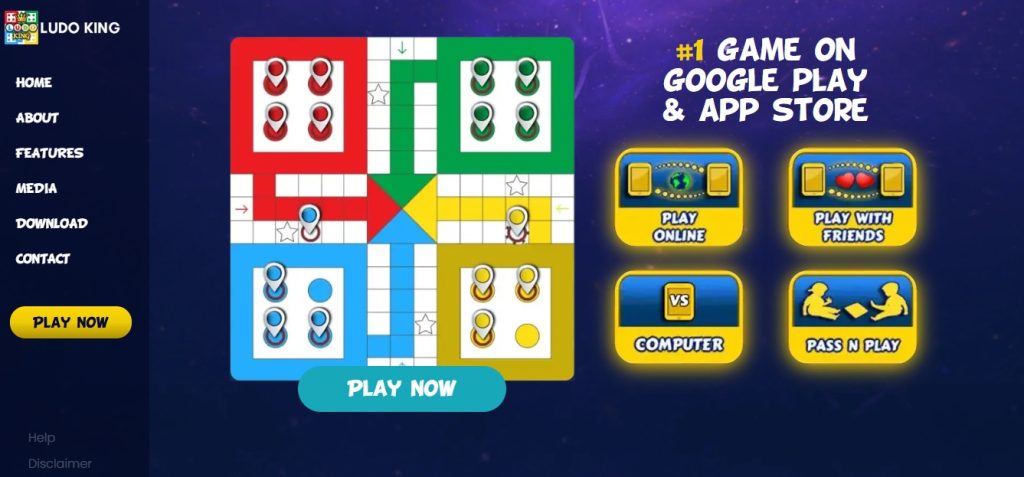
- Local Multiplayer & Social Play: Ludo King allows up to six players to compete on the same device or online. This encouraged recommendation among players and viral growth, especially in families and friend groups.
- Regional Targeting & Market Adaptation: Gametion optimized the game for emerging markets like India, where traditional Ludo is popular. The offline mode allows users to play without an internet connection, catering to regions with limited connectivity.
- COVID-19 Surge & Community Growth: During the COVID-19 lockdowns, Ludo King capitalized on the demand for social gaming experiences, resulting in a significant increase in downloads as players sought virtual ways to connect with friends and family.
- App Store Optimization (ASO): The game consistently ranks in top app charts due to optimized store listings, localized keywords, and regular updates that keep players engaged.
- Strategic Paid Advertising: Gametion has run targeted ads on platforms like Facebook, YouTube, and TikTok, focusing on acquiring low-CPI users and maximizing their Lifetime Value (LTV) through in-game monetization strategies.
Results
- 1 billion downloads in 2024.
- 50+ million daily active users during peak periods.
- Ranked among the top mobile board games globally.
- Continued retention growth through tournaments, new themes, and seasonal updates.
Frequently Asked Questions (FAQs)
Q: What is the most cost-effective user acquisition strategy for mobile games?
A combination of ASO, influencer marketing, and well-targeted social media ads often provides the best balance between cost and effectiveness.
Q: How do I measure the success of a UA campaign?
Key metrics include CPI, LTV, retention rate, and ROAS.
Q: What tools can I use to optimize my UA efforts?
Platforms like TyrAds can help you reach global users and ensure your games reach the right audience.
Q: How can I reduce my Cost Per Install (CPI)?
Optimize ad creatives, target high-quality users, and experiment with programmatic advertising for mobile games.
Conclusion
A well-executed mobile game user acquisition strategy is essential for success in 2025. Optimizing on data-driven insights, creative optimization, and a mix of paid and organic UA channels, businesses can maximize reach and profitability.
Need expert assistance in optimizing mobile game user acquisition strategies? Consider partnering with TyrAds to take your game’s performance to the next level.