



In today’s global market, mobile apps have the potential to reach millions of users worldwide. But simply translating an app’s text into different languages is not enough. To truly succeed in new markets, apps must be adapted to fit local cultures, preferences, and expectations. This is where mobile app localization comes in.
Localization goes beyond translation. It involves adjusting the app’s design, content, and features to ensure it resonates with users from different countries and regions. From language translation to cultural adaptation, localization helps businesses break down barriers and connect with users on a deeper level.
Whether you’re a developer, a marketer, or a business owner, understanding mobile app localization is key to expanding your app’s global reach. This guide will walk you through the essentials of app localization, its benefits, and how to effectively implement it.
What is Mobile App Localization?
Mobile app localization is the process of adapting an app for a specific language, culture, or region. This includes translating text, adjusting the user interface (UI), and ensuring that the app’s content feels natural to users in different countries. Unlike simple translation, localization also takes cultural differences into account, including symbols, colors, date formats, and other local preferences.
For example, an app designed for English speakers in the United States may not work well in Japan without localization. Not only would the language need to be translated, but cultural elements like the design and even how users interact with the app might need to change.
Localization helps businesses reach new markets by making their app feel more accessible and relevant to users in different regions. Without proper localization, apps may face difficulties in gaining traction in international markets.
Why Mobile App Localization Matters for Global Expansion
Expanding your mobile app into international markets can significantly boost your user base. But achieving this requires more than just offering your app in multiple languages. Localization ensures your app is tailored to meet the needs and expectations of users in different countries.
1. Reaching a Global Audience
Localization allows you to break through language barriers. By offering your app in local languages, you make it accessible to users who might otherwise struggle with foreign languages.
For instance, an app in English may miss out on potential users in non-English-speaking countries like China, Russia, or Brazil. By localizing the app to match these regions, you increase your chances of adoption.
2. Enhancing User Experience (UX)
Localization is about more than just translating words. It’s about creating a user experience that feels native to the target audience. For example, in some regions, users may prefer a dark-themed interface, while in others, they might expect more vibrant colors.
Adapting these visual and functional elements ensures your app feels intuitive and familiar to local users, which can improve user satisfaction and retention.
3. Building Trust and Credibility
Users are more likely to trust an app that feels familiar and culturally relevant. Localization helps build this trust by demonstrating that your company cares about their specific needs.
A localized app shows users that you’ve made an effort to understand their culture, increasing their confidence in using the app.
4. Gaining a Competitive Edge
In a crowded app market, localization can set your app apart from competitors. If your app offers a seamless, culturally relevant experience, it will stand out to users who might be using other non-localized apps.
By speaking directly to the needs of local audiences, you position your app as a more appealing option.
Read: Segmentation in Mobile Games: How to Engage and Retain Players
Steps to Localize Your Mobile App
Successfully localizing a mobile app involves several key steps. By following a structured approach, you can ensure your app is well-suited for global markets and ready to engage users across different regions.
1. Conduct Market Research & Audience Analysis
Before diving into localization, it’s important to identify which markets you want to target. Market research will help you understand the preferences, behaviors, and expectations of users in different countries. Start by answering questions like:
- Which languages are spoken in the target region?
- What are the common cultural traits and values in that area?
- Are there any specific regional holidays, events, or trends that could influence app usage?
Audience analysis also involves assessing the current app usage in different regions. This will help you determine if there’s a significant demand for your app and whether any changes are necessary to make it more appealing.
2. Plan Your Localization Strategy
Once you’ve identified your target market, it’s time to plan your localization strategy. This plan should outline:
- Which features to localize: Not every feature of your app needs to be localized. Prioritize the core functionalities and content that will have the most impact on users. For example, translating customer support pages or adapting the app’s payment system to local preferences may be essential.
- Full vs. partial localization: Consider whether you need to localize everything (full localization) or if a lighter version will suffice (partial localization). A lighter version might include language translation only, while a full version may involve changes to UI/UX, design, and even functionality.
3. Understand Localization vs. Internationalization
It’s crucial to distinguish between localization and internationalization. While localization focuses on adapting an app for a specific locale, internationalization is about preparing the app to handle multiple languages and regions.
Ideally, your app should be internationalized from the start so that localization can be added smoothly when expanding into new markets.
Internationalization involves:
- Designing the app to handle different character sets, currencies, and date formats.
- Ensuring the app’s architecture can accommodate various translations without requiring significant code changes.
Read: What is Rewarded Video Ads? A Quick Guide to Game Monetization
Best Practices for Mobile App Localization

When it comes to mobile app localization, following best practices is crucial to ensuring that your app resonates with users in different regions. Proper localization not only involves translating content but also adapting every aspect of the app to meet local expectations. Below are key best practices to follow during the localization process.
1. Translation Quality: Focus on Context
Accurate translation is the foundation of any localization effort, but it’s important to go beyond literal translations. Words and phrases can have different meanings or nuances depending on the culture. To avoid miscommunication, ensure that translations consider both the language and cultural context.
- Hire professional translators: Instead of relying on automated tools or machine translation, hire native-speaking professionals who understand the cultural subtleties of the target language. They can provide translations that not only make sense but also reflect the cultural tone and style.
- Work closely with your translators: Share context for phrases or terms that may have multiple meanings. For example, a button that says “Submit” may need to be reworded for users in different regions to make sense in their culture.
2. Adapt UI/UX Design for Local Preferences
The design and user interface (UI) of an app play a huge role in localization. Elements such as colors, images, and layouts must be adapted to fit the expectations of local users.
- Colors and symbols: Different cultures interpret colors and symbols in various ways. For example, in Western cultures, white represents purity, while in some Asian cultures, it can symbolize mourning. Ensure that the visual design of your app aligns with the cultural norms of your target region.
- Text and image localization: Ensure that text is not only translated but also fits well within the app’s design. Text expansion or contraction during translation can cause layout issues, so the UI should be flexible enough to accommodate variations. Additionally, images may need to be altered to reflect local customs and preferences.
- Right-to-left (RTL) languages: Languages like Arabic and Hebrew are read from right to left, so your app’s layout needs to support this. This includes reversing the flow of navigation, aligning text, and adjusting buttons accordingly.
3. Localize Payment Systems and Currency
When expanding into new regions, it’s essential to consider how users will pay for premium features or in-app purchases.
- Currency formats: Different countries use different currencies and formats (e.g., USD vs. EUR, the placement of the currency symbol). Make sure your app can handle multiple currencies and display them correctly in local formats.
- Payment methods: Mobile payment options vary by region. For instance, in Asia, payment methods like WeChat Pay and Alipay are commonly used, while in Europe, SEPA or PayPal may be more popular. Ensure that your app supports local payment systems to make transactions easier for users.
4. Date, Time, and Units of Measurement
Different regions follow different systems for displaying dates, times, and measurements. These differences can impact how your users interact with your app.
- Date formats: For example, the United States uses the MM/DD/YYYY format, while much of Europe uses DD/MM/YYYY. Ensure your app can handle these differences and display the correct format based on the user’s region.
- Time zones: Apps that deal with scheduling or time-based activities need to adjust for time zones. Automatically adjust time zone settings based on the user’s location or allow them to select their time zone in the settings.
- Units of measurement: Different countries use different units for measurements (e.g., metric vs. imperial). For example, temperature may be shown in Celsius in most of the world but Fahrenheit in the U.S. Adapt your app to display the appropriate units based on the user’s region.
5. Conduct Localized User Testing
Localization is not just about adjusting the app’s language and design; it’s also about ensuring that it works properly for local users. User testing is crucial to understanding how the localized version of the app is received in different markets.
- Test with native speakers: Always test your app with real users from the target market to ensure that the localization works as intended. These users can provide feedback on everything from language accuracy to UI functionality.
- Adjust based on feedback: User testing can reveal issues that may not be obvious during the initial development phase, such as confusing text, awkward UI layouts, or cultural misunderstandings. Be prepared to make adjustments based on feedback.
6. Ensure Ongoing Localization Support
Localization isn’t a one-time task. As your app evolves, updates and new features will require ongoing localization efforts. Keep in mind:
- Frequent updates: Every time you release a new feature or content, it should be localized for all your target markets.
- User-generated content: If your app allows users to create content (like reviews or social media posts), you may need to localize that content as well to ensure consistency across all regions.
- Monitoring and improving: Track user feedback and app performance across regions to identify areas where localization can be improved.
7. Choose the Right Localization Tools
Using the right tools can streamline the localization process and help you manage multiple languages more efficiently. Localization management platforms can automate tasks like translation, version control, and quality assurance.
- Popular tools include Smartling, Phrase, and Crowdin. These platforms provide features like translation memory, automated workflows, and real-time collaboration, helping you keep the process smooth and organized.
Common Challenges in Mobile App Localization
While mobile app localization is essential for expanding your app into new markets, it comes with its own set of challenges. Understanding and addressing these challenges will help ensure the localization process is smooth and effective.
1. Language Barriers and Translation Issues
One of the most significant challenges in mobile app localization is handling language differences accurately. Even with the best translation services, languages can present unique problems:
- Idiomatic expressions: Some phrases don’t translate well into other languages and may lose their meaning or come across as awkward. For instance, a phrase like “Hit the nail on the head” might not have an equivalent in another language.
- Cultural sensitivity: Words or symbols that are perfectly fine in one culture can be offensive in another. For example, certain colors or gestures may have positive meanings in one country but be considered offensive elsewhere. Careful research and native-speaking translators are essential to avoid these pitfalls.
2. Managing Multiple Versions of the App
Localization often means creating multiple versions of your app, which can lead to management challenges:
- Version control: Keeping track of different localized versions of your app can become complicated. It’s important to have a clear system in place for managing updates and maintaining consistency across versions.
- Content synchronization: When the original app is updated, these changes must be reflected across all localized versions. Failure to keep localized content in sync can lead to inconsistencies, such as missing features or outdated content in specific languages.
3. Adapting User Interface (UI) Design
Localization often requires adjustments to the user interface to accommodate differences in text length, layout, and right-to-left (RTL) reading:
- Text expansion: Some languages, like German or Russian, tend to have longer words than English. This can cause UI elements like buttons or navigation menus to break or look cluttered. Designers must ensure that the UI can handle these changes without compromising the app’s appearance or functionality.
- RTL languages: For languages that read right-to-left, such as Arabic and Hebrew, the entire layout might need to be flipped. This includes adjusting the direction of navigation menus, aligning text properly, and changing icons to match local reading habits.
4. Time and Resource Constraints
Localization can be a resource-intensive process, requiring significant time, effort, and budget:
- Time-consuming: Translating text, adapting UI elements, and testing in different regions can take a lot of time. For smaller development teams, this can put pressure on timelines, especially if there’s a deadline for launching in new markets.
- Cost considerations: Depending on the scale of the localization project, the cost can be high. Hiring professional translators, designers, and localization experts, as well as using localization tools, can add up quickly. Balancing cost with quality is essential for a successful localization strategy.
5. Legal and Regulatory Challenges
Different countries have different legal and regulatory requirements that can impact your app’s localization process:
- Data privacy laws: Many regions, such as the EU with its GDPR regulations, have strict data privacy laws. Localization efforts must ensure compliance with these laws to avoid legal issues.
- Local censorship: Some regions have restrictions on certain types of content. For example, apps in China must comply with government regulations on content censorship. This means modifying or removing certain features to comply with local laws.
6. Handling In-App Purchases and Payments
When localizing an app that involves in-app purchases or subscriptions, you need to ensure that payment systems are adapted to local preferences:
- Payment methods: As mentioned earlier, different regions have different payment preferences, from credit cards to mobile payment systems. Not offering a familiar or trusted payment method can result in lower conversion rates and fewer purchases.
- Pricing localization: You must also adjust your app’s pricing to fit local economic conditions. The same app may need to be priced differently in the U.S. compared to a developing market in Asia. Currency fluctuations, purchasing power, and local competition should be considered to optimize pricing for each market.
Read: Best Game Monetization Strategies to Boost Your Revenue
Measuring the Success of Your Mobile App Localization Efforts
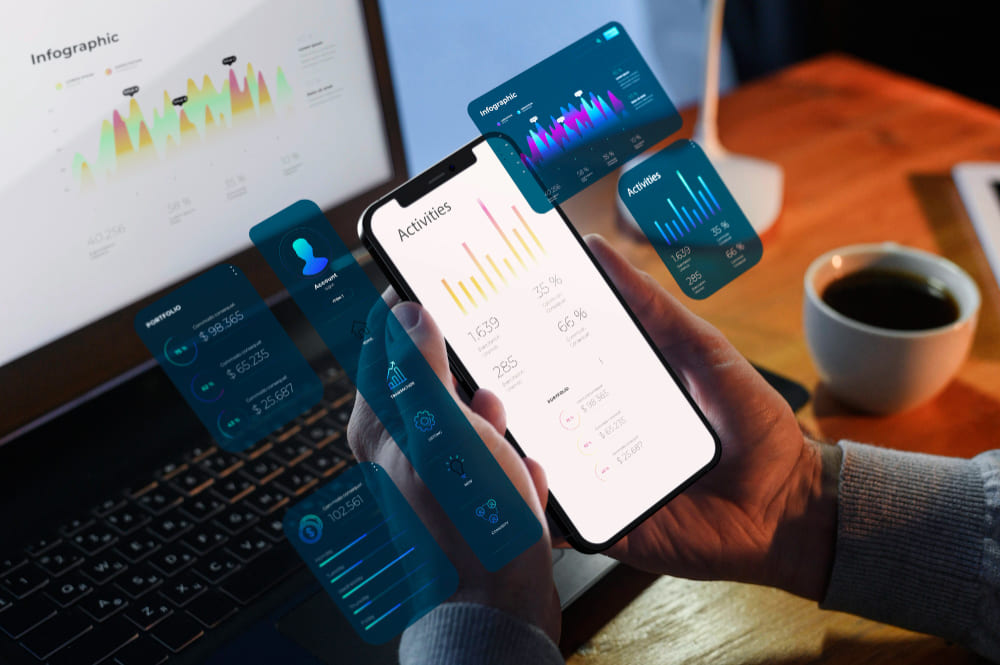
After investing in mobile app localization, it’s essential to track its performance to ensure it’s meeting your goals. Measuring success allows you to refine your localization strategy and improve the user experience for different regions.
1. Key Performance Indicators (KPIs) to Track
To evaluate the effectiveness of your localization efforts, you should track the following KPIs:
- App Downloads and Usage: Monitor the number of downloads and active users in different regions. A significant increase in downloads in your targeted localized markets indicates that your efforts are paying off.
- User Retention: Look at how well users are engaging with your app over time. High retention rates in localized markets suggest that users are finding value in the app, while low retention rates may indicate that localization efforts need to be improved.
- Conversion Rates: Track how many users are making in-app purchases or signing up for premium features. A higher conversion rate in localized markets shows that users are willing to invest in your app.
- Customer Satisfaction: User reviews and feedback can provide valuable insights into the success of your localization. Positive ratings and comments in local languages suggest that your app resonates with users, while negative reviews can highlight areas that need further improvement.
Read more: Important KPIs and Metrics for Mobile Games
2. User Feedback and Surveys
User feedback is an essential part of measuring localization success. You can gather insights through:
- In-app surveys: Send targeted surveys to users in specific regions to gauge their satisfaction with the localized experience. This will help you identify areas of improvement.
- App store reviews: Monitor app store reviews and ratings to see how users in different regions are responding to your app. Pay attention to any common complaints related to language, cultural relevance, or usability.
3. A/B Testing and Iteration
Conducting A/B testing in different markets can help you fine-tune your app’s features and design for specific regions. You can test various elements like:
- Language variations: Experiment with different wordings or phrases in translated content to see which ones resonate better with local users.
- UI changes: Test different UI layouts for different regions, such as color schemes, button placements, or text size, to see what works best in each market.
- Pricing models: Test various pricing strategies for localized regions to find the most effective pricing structure that drives both downloads and in-app purchases.
Read: In-App Purchases vs Ads: Which One Is Better?
4. Tracking Regional Performance Over Time
Localization is an ongoing process, so it’s crucial to monitor the performance of your app over time. Analyze long-term trends, such as:
- User growth: Track the growth of your user base in localized regions to see if your app is gaining traction.
- Market trends: Stay informed about changes in market preferences, local holidays, or emerging competitors. Adjust your app as needed to stay relevant in each region.
- Cultural shifts: Culture evolves, so your app may need updates to reflect changes in local customs, languages, or technological preferences.
5. Continual Improvement
Localization isn’t a “set it and forget it” process. Continuously gather data, listen to your users, and iterate on your app to improve its performance in each region. Use insights from your KPIs, user feedback, and A/B testing to refine the localization over time.
- Regular updates: Keep the app fresh and relevant for local users by adding new content, features, or seasonal updates specific to the region.
- Monitor competitors: Watch how local competitors are performing and stay ahead by offering a superior user experience.
Conclusion
Mobile app localization is a vital step toward expanding your app’s reach and ensuring its success in global markets. By understanding the core principles of localization, overcoming common challenges, and continuously optimizing the process, you can deliver a more relevant and engaging experience for users worldwide.
Remember, successful localization isn’t just about translating words – it’s about adapting your app to meet the cultural, linguistic, and technical needs of each market. With careful planning and ongoing refinement, your app can achieve lasting success and build strong connections with users across the globe.