

Introduction
The truth is launching a mobile app is just the beginning. The real test for any developers or business comes when the app hits the store. That’s when you will face challenges and learn the importance of a strong mobile app growth strategy to drive long-term success.
The good news is that these days the global mobile app market is projected to hit $613 billion in revenue by the end of 2025. It is powered by in-app purchases, subscriptions, and ad monetization. With over 300 billion downloads expected this year, the space is fill with opportunities
However, this booming market also comes with challenges and fierce competition. Most apps fail not because of poor product quality. Instead because they fail because of weak marketing and monetization strategies.
That’s why in this article, we’ll break down 10 proven mobile app growth strategies that will help you gain success in 2025. These aren’t trends, they’re real tactics that work.
Why Mobile App Growth Requires a Strategic Mindset in 2025
Because without a clear growth strategy, even the most well-built app can get buried among millions of competitors.
Especially with the latest statistics, which show that there are almost 1.96 million apps on the App Store,while Google Play sits at roughly 2.87 million.
That’s a lot of noise to break through.
Mainly because today’s mobile users have a lot of expectation and demand for apps that are not only fast and intuitive but also feel tailor-made. A study from Instabug shows that 48% of users are willing to share their data for better app performance.
Similarly, 42% of users are actively looking for more personalized app experiences. However, 47% of users are still deeply concerned about data privacy.
So what does winning look like in 2025? It’s not about chasing viral stunts or dumping budgets into ad bursts. Short-term hacks might get you a spike in installs but they rarely stick.
What really works is building growth loops: systems where users bring in more users, and the product’s value grows with each new interaction.
If you want to scale, you need to play the long game. And in this guide, we’ll show you exactly how.
Tactic 1: App Store Optimization (ASO) Done Right
If users can’t find your mobile app, they can’t download it. This basic understanding makes App Store Optimization (ASO) your first must-win battle in any successful mobile app growth strategy. Getting your ASO right is crucial for visibility and user acquisition.
So, to truly maximize your ASO effort, you need to:
- Start by conducting keyword research and applying relevant keywords to your app’s title and description.
- Create a description that is specific, clear, and compelling to attract potential users.
- Add engaging visuals, including images and videos, to spark curiosity and encourage more installs.
- Implement frequent ASO testing to continually refine your elements and identify what drives the most conversions and organic installs.
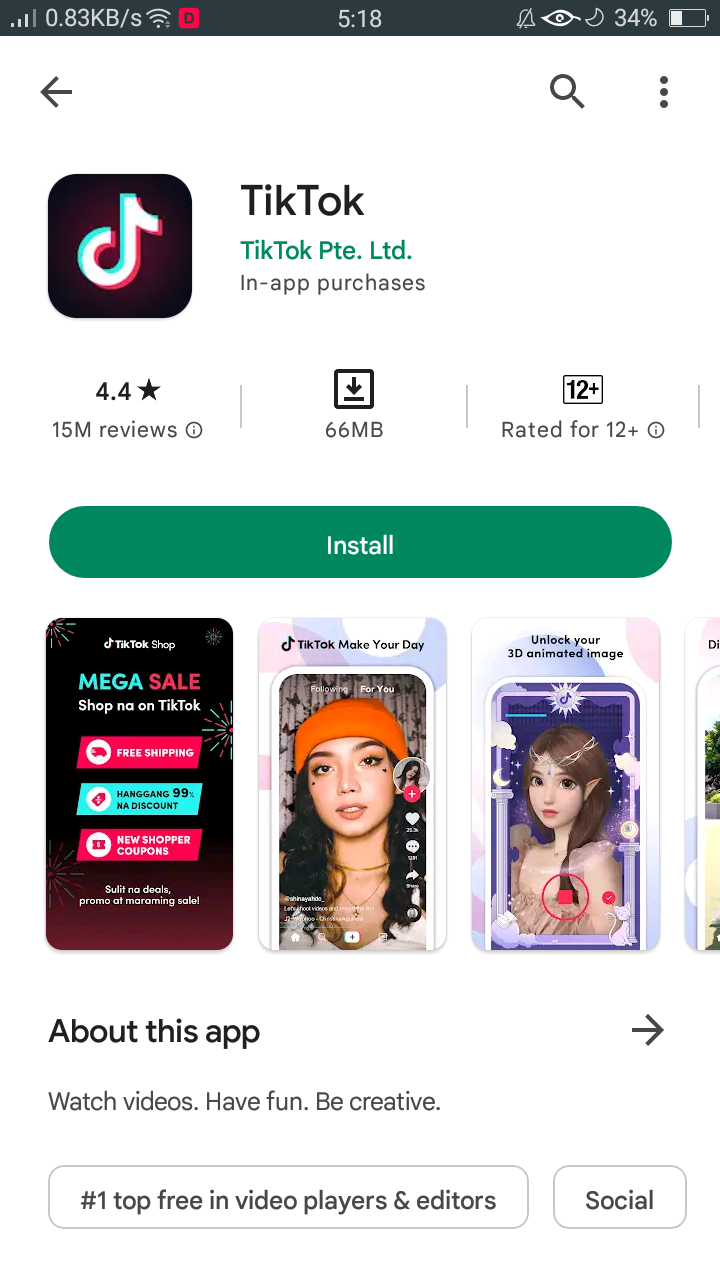
Consider TikTok as an example of a successful ASO strategy. These strategis include:
- Using strategic keywords like “videos,” “music,” and “live stream” that directly target trending user search terms.
- Screenshots highlight the video feed, editing tools, and trending content, giving users a clear visual preview.
- Tiktok uses icons and preview videos that are visually bold and instantly recognizable.
Ultimately, TikTok’s ASO success comes from its ability to communicate immediate value, swiftly converting searchers into loyal users.

Tactic 2: Leverage Product-Led Growth (PLG)
In 2025, the smartest way to grow is by letting your product sell itself. Product-Led Growth (PLG) turns a great user experience into your most powerful acquisition channel.
Key steps to apply PLG:
- Offer a solid free version with limited but valuable features.
- Highlight premium perks during usage to show what users are missing.
- Use in-app nudges, like tooltips or locked icons to tease premium tools.
- Give free trials so users can feel the full value before committing.
Canva is a great example of PLG in action. Its free tier hooks users fast—with ready-to-use templates, drag-and-drop tools, and just enough flexibility to get things done.
Then, Canva guides users toward upgrading by:
- Showing premium templates and features in the editor.
- Offering timed free trials for Canva Pro.
- Making the upgrade path clear and low-friction.
The result? Users get value immediately, then upgrade because they want more—not because they’re pushed into it.
Tactic 3: Nail the First-Time User Experience (FTUE)
Day 1 is make or break. If users feel lost or frustrated when they first open your app, chances are they won’t come back.
To win retention early, you need to guide users through that critical first session with care. Here’s how to optimize FTUE:
- Keep sign-up fast and simple with fewer fields and more conversions.
- Show value early, let users experience the “aha” moment within the first minute.
- Use smart onboarding, like: tooltips, short tutorials, or guided flows.
- Don’t overwhelm your users, introduce features gradually, not all at once.
Take a loot at Headspace, the meditation and mindfulness app, showcase effective FTUE design by:
- Personalized Onboarding: After its launch, Headspace asks users about their meditation experience and goals (e.g., reducing stress, improving focus). This information tailors the user journey to individual needs.
- Guided Introduction: The app offers a brief, animated tutorial that introduces users to basic meditation techniques, ensuring they understand the core functionality from the outset.
- Progressive Disclosure: Features are introduced gradually, preventing users from feeling overwhelmed and allowing them to build confidence as they explore the app.
- Emotional Engagement: Headspace employs friendly illustrations and a calming color palette to create an inviting atmosphere, fostering a positive emotional connection with users.
Therefore by focusing on a personalized and gentle introduction, Headspace ensures that users feel supported and motivated to continue using the app, leading to higher retention rates.
Tactic 4: In-App Referrals & Viral Loops
Want to grow without burning ads budget? Let your users do the marketing for you. Referral systems are one of the simplest and most effective mobile app growth strategies.
When done right, they create viral loops—self-sustaining growth engines where new users bring in even more users.
Here’s how to build referral loops that actually work:
- Add an in-app “Invite Friends” feature, make it obvious and easy to find.
- Offer clear rewards, like: premium access, extra credits, or unlockable features.
- Make sharing effortless: using deep links and pre-filled messages for quick sharing.
- Stack the rewards: try to incentivize users to invite more than once.
Case in Point: Robinhood. When Robinhood launched its referral program, it offered free stock for every friend referred.
That simple offer drove 10,000 installs in a single night and built a waitlist of over 1 million users in just a few months.
That’s the power of viral mechanics in action. You don’t need a massive incentive, just something that adds real value for both sides.
Read Also: 30+ Creative Referral Program Examples for Every Industry (2025 Guide)
Tactic 5: Use Push Notifications Strategically
Push notifications are a powerful tool to re-engage users and drive conversions when executed correctly. The key lies in delivering messages that are timely, relevant, and personalized.
Take a look at GoFood, a leading food delivery service in Indonesia, shows the effective use of push notifications to enhance user experience and engagement.
Here’s how GoFood leverages this strategy:
- Real-Time Order Updates: GoFood utilizes push notifications to provide customers with real-time updates on their orders. It ensures transparency and keeps users informed throughout the delivery process.
- Personalized Promotions: By analyzing user behavior and preferences, GoFood sends tailored promotional messages. Such as discounts on frequently ordered items or special deals from favorite restaurants, increasing the likelihood of user engagement.
- User-Controlled Preferences: GoFood has implemented features allowing users to customize their notification preferences, including the frequency and type of notifications received. This approach has led to a 10% reduction in monthly push notifications for 32% of users, enhancing user satisfaction.
- Efficient Delivery System: GoFood developed an in-house system called “Courier,” capable of managing millions of push notifications daily. It ensures timely and reliable message delivery.
Focusing on personalization, timely updates, and giving users control over their notification settings, GoFood has successfully utilized push notifications to improve user engagement and satisfaction.
Tactic 6: Master Paid User Acquisition Across Channels
Organic growth is great, but if you want to scale fast then you need to get serious about paid user acquisition (UA). The key? Don’t just rely on one channel. The best results come from smart, cross-platform strategies.
Here’s how to get it right:
- Diversify your ad mix: Don’t put all your budget into one platform. Use TikTok Ads, Meta Ads, Google UAC, and more.
- Test creative variations: Run A/B tests on copy, images, videos, and CTAs. Find what really resonates.
- Optimize relentlessly: Track your campaigns daily. Adjust bids, targeting, creatives, and placements to maximize ROI.
Real-World Wins:
- PUBG Mobile saw a 30% install lift by using TikTok’s full-screen video format and creator-driven content.
- State of Survival cut acquisition costs by 49% with AR-powered Facebook Ads.
The takeaway? Great paid UA isn’t just about big budgets, it’s about smart strategy, continuous testing, and multi-channel mastery.
Tactic 7: Organic Growth through Community and Content
In 2025, social media isn’t just a place to post, it’s where communities form, content spreads, and apps grow.
The right social strategy can drive installs, engagement, and long-term loyalty. Key steps to make social media work:
- Choose the right platforms: Focus on where your users actually hang out (TikTok, Instagram, Reddit, etc.).
- Post consistently: Maintain a regular rhythm to stay top of mind.
- Use storytelling: Share your journey, not just your product.
- Encourage UGC: Get users to share their experiences and content.
- Engage actively: Reply, repost, and build relationships with your audience.
- Collaborate with creators: Partner with niche influencers to gain credibility.
This tactic can be found on Odd Muse, a fashion brand turned app success, exploded thanks to a smart TikTok strategy:
- Viral videos showcasing designs earned 16M+ likes and nearly 500K followers.
- Authentic, founder-led storytelling built community trust.
- Audience engagement through comment replies and design feedback turned viewers into loyal fans.
It’s clear that social media became Odd Muse’s secret weapon for organic growth and it can be yours too.
Tactic 8: Retention Tactics That Scale
Getting users to install is just the start. The real win? Keeping them around.
Retention is where sustainable growth happens and where many apps fall short. The good news? With the right systems in place, you can boost retention at scale.
Key tactics to drive long-term engagement:
- Gamify the experience: use points, badges, or levels to keep users coming back.
- Offer loyalty rewards: reward consistent usage with discounts or perks.
- Collect feedback in-app: show users you’re listening (and improving).
- Celebrate milestones: highlight user progress and achievements.
- Surprise & delight: occasional, unexpected bonuses can boost emotional loyalty.
Example in action: Duolingo. Duolingo nails retention with streaks, daily goals, and fun characters cheering you on.
They make users want to come back and they do. That’s why Duolingo boasts over 10 million daily active users and reaches 60% engagement.
Retention doesn’t require complexity. It just needs consistency and a user-first mindset.
Read also: Best Game Monetization Strategies to Boost Your Revenue
Tactic 9: Analyze the Right Growth Metrics
If you’re not tracking the right key metrics, you’re flying blind. Growth isn’t just about installs; it’s about what happens after.
To scale smartly, you need to measure what matters. Key metrics you should track:
- CAC (Customer Acquisition Cost): How much are you spending to get each new user?
- LTV (Lifetime Value): How much revenue does a user generate over time?
- ROAS (Return on Ad Spend): Are your paid campaigns actually profitable?
- Churn Rate: How many users stop using your app over a specific time period?
- Retention Rate (Day 1, 7, 30): Are users sticking around, or bouncing after the first use?
Use platforms like Google Analytics, Firebase, or Adjust to monitor and visualize your performance in real time.
Without these insights, you’re guessing. With them, you’re optimizing.
Tactic 10: Localize & Expand Globally
Expanding globally? Localization isn’t just about translating text, it’s about tailoring your app to resonate with local cultures, languages, and user expectations. The key steps are:
- Translate Content Accurately: Ensure all text, including UI elements and notifications, are translated by native speakers to maintain context and nuance.
- Adapt Cultural Elements: Modify images, colors, and symbols to align with local cultural norms and preferences.
- Localize App Store Listings: Customize your app’s name, description, and keywords for each target market to improve visibility and downloads.
- Integrate Local Payment Methods: Support region-specific payment options to facilitate seamless transactions.
- Comply with Local Regulations: Ensure your app adheres to regional laws and data protection standards.
Take a look at Airbnb, they successfully expanded globally by implementing a robust localization strategy.
- Multilingual Support: The app is available in 62 languages, catering to a diverse user base.
- Cultural Customization: Listings and content are tailored to reflect local customs and preferences.
- Localized Customer Support: Provides assistance in multiple languages, enhancing user trust and satisfaction.
- Regional Payment Options: Incorporates local payment gateways to streamline the booking process.
Prioritizing localization, Airbnb has enhanced user experience, increased engagement, and solidified its presence in various markets.
Final Thoughts: Your Growth Stack for 2025
If you’ve made it this far, you’re serious about scaling your app in 2025 and that’s a great start.
We’ve covered 10 mobile app growth strategies that aren’t just theoretical. They’re battle-tested.
From ASO and PLG to referrals, retention, and localization, these tactics work because they’re rooted in what users actually want. And what successful apps are already doing.
But here’s the thing: growth isn’t a one-time play. It’s a loop. And the apps that win are the ones that keep learning, testing, and optimizing every step of the way.
Whether you’re an indie dev or scaling a full-stack product team, the key is building a strategy that balances acquisition, retention, and revenue.
And yes, tracking the right metrics along the way.
By the way, if you need a hand putting these strategies into action, we’ve helped 200+ apps grow smarter, faster, and globally. Reach out to us at TyrAds, we’d love to help you scale next.