


Nowadays gamers aren’t just playing, they are engaged. With 3.2 billion gamers worldwide, in-game advertising is reshaping how brands connect with audiences.
In-game advertising (IGA) has become a key part of modern marketing. IGA provides unique chances to reach a wide range of engaged gamers in ways that traditional ads can’t. Marketers are recognizing the benefits of in-game advertising, like better brand engagement in gaming and deeper audience connection.
In fact, revenue in the in-game advertising market worldwide is projected to reach $124.40 billion in 2025, with an annual growth rate (CAGR 2025-2029) of 8.02%, leading to a projected market volume of $169.40 billion by 2029. This steady growth highlights the increasing investment in gaming as a dominant advertising channel.
Imagine your brand being able to easily integrate into the gaming experience. Not as a disruptive interruption, but rather as a natural and engaging part of the virtual world. IGA allows you to connect with players on a deeper level and drive meaningful interactions.
Think dynamic in-game ads that change based on player behavior and creating personalized experiences. Game advertising examples are popping up everywhere, showcasing the creativity and potential of this medium. From digital advertising in games to video game ad integration, the possibilities are expanding rapidly.
Learn how to connect with billions of engaged players and position your brand at the forefront of this exciting new era of advertising. Keep reading to discover how in-game advertising can transform your marketing strategy and explore the power of brand engagement in gaming in this article.
What Is In-Game Advertising?
In-game advertising (IGA) is a form of digital advertising seamlessly integrated into video games. Unlike traditional advertising that interrupts content, IGA is designed to blend naturally within the gaming environment, becoming a part of the game’s world rather than a disruptive interruption.
This integration can take many forms, including:
- Static placements: These are fixed advertisements within the game world, such as billboards in a virtual city, posters on walls, or branded vending machines. They resemble real-world advertising and add to the game’s realism.
- Dynamic placements: These ads can change over time, allowing for more targeted messaging and promotions. They might involve virtual banners, interactive kiosks, or even product placements that evolve within the game’s narrative.
- Product placement: This involves featuring real-world products within the game, such as a character wearing a specific brand of clothing or using a particular type of vehicle. It creates a subtle but impactful brand association.
- Advergaming: This involves creating a game specifically designed around a brand or product. It offers a highly engaging way for consumers to interact with a brand and learn about its offerings.
- In-game rewards: Brands can sponsor in-game events or offer rewards to players who interact with their ads, such as virtual currency, exclusive items, or discounts.
The key to effective IGA lies in its ability to enhance, rather than detract from the player experience. When done well, it feels organic and contextual, adding a layer of realism and immersion rather than a jarring commercial break.
This non-intrusive approach allows brands to connect with gamers in a more engaging and authentic way, fostering positive associations and building brand loyalty within a highly receptive audience.
Types of In-Game Advertising
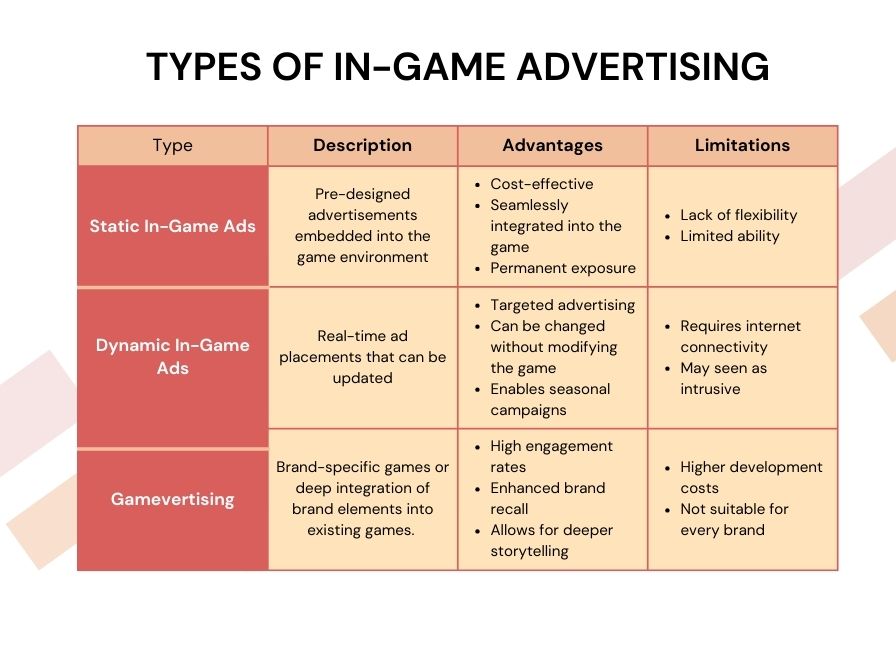
In-game advertising comes in various forms, each offering unique advantages depending on the campaign goals and the level of integration within the gaming environment. Below are the primary types of in-game advertising.
Static In-Game Ads
Static in-game ads are pre-designed advertisements placed into the game design, in the form of billboards, posters, or branded objects.
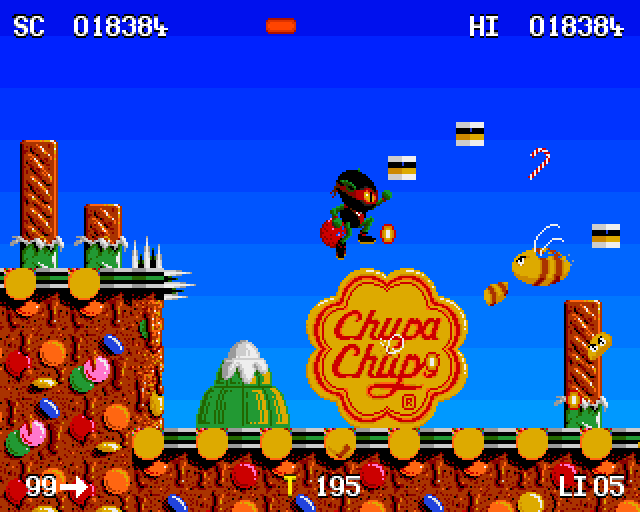
These ads are cost-effective and permanent within the game, though they lack flexibility since they cannot be updated after implementation.
Advantages
- Cost-effective as they require a one-time placement fee.
- Seamlessly integrated into the game without affecting the gameplay experience.
- Permanent exposure to players as long as the game remains active.
Limitations
- Lack of flexibility since they cannot be updated or changed after implementation.
- Limited ability to target different demographics dynamically.
Examples
- Chupa Chups branding in Zool (1992)
- Billboards featuring real-world brands in sports games
Dynamic In-Game Ads (DIGA)
Dynamic in-game ads are real-time ad placements that can be updated or rotated based on audience targeting, location, or campaign timing.

These ads are distributed through an online ad network and allow brands to tailor their messaging.
Advantages
- Allows for targeted advertising based on location, demographics, or real-time trends.
- Can be changed or updated without modifying the game itself.
- Enables brands to run time-sensitive promotions and seasonal campaigns.
Limitations
- Requires internet connectivity for ad delivery.
- May be seen as intrusive if not properly integrated into the game.
Examples
- Coca-Cola and Subway ads changing based on audience or timing
- Cap ‘n Crunch appearing in games like Mad Skills Motocross
Gamevertising
Gamevertising refers to brand-specific games or deep integration of brand elements into existing games.
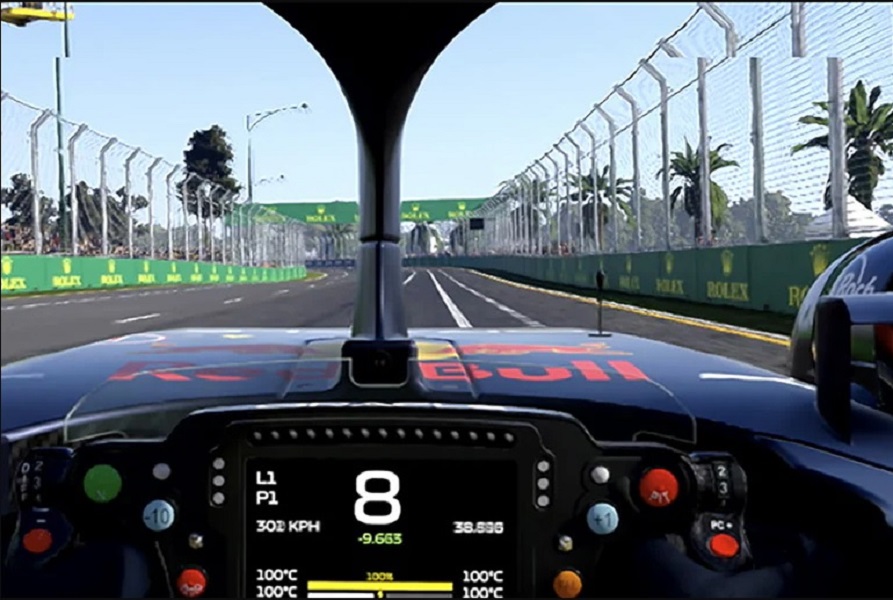
This type of advertising involves creating unique gaming experiences focused around a brand’s message, leading to direct audience engagement.
Advantages
- High engagement rates as players interact directly with branded content.
- Enhanced brand recall due to immersive experiences.
- Allows for deeper storytelling and brand immersion compared to traditional ads.
Limitations
- Higher development costs as it requires custom game creation or significant game modifications.
- Not suitable for every brand, especially those without a strong entertainment or lifestyle connection.
Examples
- Red Bull’s branded racing games
- Burger King’s Sneak King (2006), a promotional game featuring the brand’s mascot
How Does In-Game Advertising Work?
In-game advertising is delivered through both static and dynamic systems. Static ads are hardcoded into the game during development, while dynamic ads are served via ad servers and software development kits (SDKs).
These tools enable real-time ad placement, ensuring that advertisements remain relevant and engaging for players. Programmatic advertising further optimizes targeting by using AI-driven algorithms to match ads with appropriate gaming audiences.
The Role of Ad Servers, SDKs, and Real-Time Connections
- Ad Servers: For storing, managing, and delivering advertisements within games. Enable real-time ad insertion, tracking impressions, and ensuring ad relevance.
- Software Development Kits (SDKs): Facilitate ad placements and help ensure seamless ad delivery while tracking engagement metrics.
- Real-Time Connections: Allows advertisers to serve relevant and timely ads to different users across gaming platforms based on audience data, time of day, and player demographics
Measuring the Effectiveness of In-Game Ads
Track in-game ad performance using standardized metrics and analytical tools. Here are key measurement methods:
Metrics for Success
Brands use various key performance indicators (KPIs) to evaluate the impact of in-game advertising:
- Brand Lift Studies: Measure the overall impact of the ad on consumer perception, awareness, and purchase intent. Determine how well an ad resonates with gamers.
- Engagement Rates: Metrics such as interaction time, click-through rates (CTR), and how often players interact with an ad.
- Exposure Metrics: Measures like impression count, viewability, and screen time tracking determine how often and how prominently an ad appears in the game.
- Integration with IAB Standards for Reliable Measurement: Adhering to the Interactive Advertising Bureau’s (IAB) Intrinsic In-Game (IIG) Measurement Guidelines ensures consistent and accurate assessment of in-game ad performance.
Ad Performance Tools
Brands and advertisers use a variety of tools to assess the effectiveness of their in-game advertising campaigns:
- Open Measurement SDK (OM SDK): Helps track and standardize ad viewability and interactions across different gaming platforms with tools like Google Mobile Ads SDK and OMID (Open Measurement Interface Definition) API.
- AI-Driven Analytics Platforms: Provide real-time insights on player engagement, sentiment analysis, and the overall impact of the ad campaign.
- Heat Mapping & Eye-Tracking Software: Measure how players visually engage with ads, determining which ad placements are most effective.
- Attribution Models: Analyze how in-game advertising influences offline and online purchasing decisions, helping brands understand ROI.
Benefits of In-Game Advertising
Why choose in-game advertising? For their high engagement rates and proven brand safety. Learn more about its benefits here:
High Audience Engagement
- Immersive Experience: Games provide a highly immersive environment where players are fully focused and invested. This makes in-game advertising more effective than traditional digital ads that often get ignored or skipped.
- Seamless Integration: In-game advertising blends seamlessly into the gameplay, appearing as natural parts within the game world (e.g., billboards, product placements). This organic placement reduces ad fatigue and increases brand recall.
- Emotional Connection: Games often evoke strong emotions in players. Associating your brand with these positive experiences, game developers can create a deeper emotional connection with your target audience.
Brand Safety
- Controlled Environments: Gaming environments are generally well-moderated, reducing the risk of your ads appearing alongside inappropriate or harmful content.
- Brand Suitability: Many IGA platforms offer tools that guarantee your ads to appear only in games that align with your brand values and target audience.
- Positive Associations: You can associate your brand with positive gameplay experiences and the overall enjoyment of gaming by choosing the right games.
Scalability and Adaptability
- Cross-Platform Reach: IGA can be located across various gaming platforms, including mobile, PC, and consoles, allowing you to reach a diverse and global audience.
- Real-Time Updates: Game developers can update campaigns in real-time, adjusting their messaging and creatives based on performance and audience feedback.
- Programmatic Optimization: Programmatic advertising allows for automated and optimized ad placements, ensuring your ads reach the right audience at the right time.
Examples of Successful In-Game Advertising Platforms
Which in-game advertising platforms are right for your brand? Explore these examples and find the perfect fit for your brand.
BidStack
BidStack specializes in programmatic in-game advertising. This means they automate the buying and selling of ad space within games, similar to how online display advertising works.
Strengths
- Non-Intrusive Ads: BidStack emphasizes ad placements that integrate seamlessly into the game environment. Think billboards in a racing game, or branded items within a virtual store. This approach aims to avoid disrupting the player’s experience.
- Programmatic Efficiency: Their platform allows advertisers to target specific demographics and audiences, manage campaigns efficiently, and optimize spending in real-time.
- Scalability: BidStack works across various game genres and platforms, offering advertisers access to a broad audience.
Example Use Cases
A dynamic in-game advertising campaign promoted the Volkswagen Golf Sport GTI. This geo-targeted Canadian campaign ran across numerous console, Steam, and PC video games. Ads appeared in real-time on billboards and posters within the 3D game environments.
Anzu
Anzu provides multi-platform in-game advertising. This means they work across mobile, PC, and console games.
Strengths
- Real-Time Advertising: Anzu’s technology allows for dynamic ad insertion, meaning ads can be updated or changed in real-time. This is useful for time-sensitive promotions or personalized messaging.
- Advanced Analytics: Anzu offers robust data and analytics tools, giving advertisers insights into campaign performance, audience engagement, and ROI.
- Scalability and Global Reach: They work with a wide range of game developers and publishers, offering advertisers access to a global audience.
- Blending into Game Worlds: Anzu focuses on ads that fit naturally within the game’s aesthetics and context.
Example Use Cases
Levi’s and Gillette advertise their products on virtual billboard screens within a racing video game, Trackmania.
Future of In-Game Advertising
As technology advances, in-game advertising continues to evolve, presenting new opportunities for brands to reach and engage players in innovative ways.
The following trends and developments are shaping the future of IGA:
- Programmatic Advertising: AI-driven targeting for precise audience engagement. For example, you’re thinking about a new iPhone and browsing online. Suddenly, when you’re near an Apple store, a non-intrusive ad for the new iPhone appears on your phone. This targeted and timely ad is an example of programmatic advertising.
- Virtual Reality Ads: Interactive and immersive ad placements in VR gaming environments. Adidas uses this technology with The Adidas Football VR Experience. At select Adidas stores, customers could wear a VR headset and foot sensors to participate in a virtual football match, taking free kicks and penalty shots with a real football.
- Personalized Ad Experiences: Advanced data analytics enabling customized brand interactions.
Advanced data analytics enabling customized brand interactions, allowing for tailored promotions, product placements, and in-game brand experiences that feel organic to the player’s journey.
Conclusion
In-game advertising is revolutionizing brand engagement by providing a unique and effective way to connect with gaming audiences. As technology advances, brands have the opportunity to leverage IGA for interactive and immersive marketing strategies.Ready to level up your advertising strategy? Request a consultation with Tyrads for campaign integration and start exploring in-game advertising today!