


Did you know that nowadays over 1,400 new iOS apps are launched every day? In this crowded market, strategic app promotion is essential for developers to secure visibility and get downloads.
But the problem is many developers still struggle to reach the right audience, compete with similar apps, or keep users engaged after launch. Without proper marketing, even the best apps can go unnoticed.
The good news? There are proven strategies that can help boost your app’s visibility, attract users, and drive downloads. Whether you’re launching a new app or trying to grow an existing one, the right approach can make a huge difference.
Find out 10 powerful strategies on how to successfully promote your app in this article.
1. Optimize Your App Store Listing
Most users discover new apps by searching in the App Store or Google Play. This is why ensuring that your app ranks high in search results is important. Because a well optimized listing will leads to:
- Higher visibility in search results
- Increased downloads from organic traffic
- Better conversion rates as users find relevant apps quickly
Read: What is a Good Conversion Rate and How to Improve It
Choose the Right Keywords for App Marketing
Here’s how to choose the right keywords:
- Research Your Target Audience: Understand the terms your potential users would type when searching for an app like yours.
- Analyze Competitor Keywords: Look at the keywords used by top-ranking apps in your category.
- Regularly Update Keywords: Monitor keyword performance and adjust based on search trends and competition.
- Example: For an e-commerce app, keywords like “best online shopping,” “discount deals,” or “fast delivery marketplace” can help attract shoppers.
Optimizing App Title, Description, and Screenshots
Once you’ve selected the right keywords, you need to strategically place them in your app listing to maximize visibility. Here’s how to optimize them.
- App title:
- Keep it short and memorable (ideally under 30 characters)
- Include a primary keyword naturally
- Avoid generic or overly complicated names
- App description:
- Place the most important keywords in the first 3 lines (since only the first few lines are visible before users click ‘Read More’)
- Use bullet points to highlight key features
- Clearly explain the app’s benefits and unique selling points
- Screenshots:
- Use high-quality images that showcase your app’s interface and features.
- Highlight the most valuable features
- Use captions and annotations to explain how the app benefits the user.
- If possible, include a short preview video to demonstrate the app in action.
Example: Facing a competitive fitness app market, Strava recognized the need to stand out by refining its app store presence. The team implemented a comprehensive ASO strategy that included:
- App Title Optimization: Used relevant keywords such as “Run”, “Bike”, and “Hike” into the app title to improve searchability.
- App Description Enhancement: Developed a compelling and informative app description highlighting unique features like track your activity, build a support network, and integration with other apps and devices.
- Visual Improvements: Strava’s icon featured its brand logo over an orange background. Added imagery such as a map for new running routes and screenshots including captions and engaging backgrounds like group workout made the icon more descriptive.

2. Leverage Social Media Marketing
After optimizing your app visibility in the app store, the next thing you can do is use social media to promote your app. Social media is a powerful tool that can help you reach your target audience, build brand awareness, and drive app downloads.
Best Platforms for Advertising an App
- Instagram: Ideal for visually appealing apps, such as lifestyle, fitness, travel, and fashion apps.
- Facebook: Facebook is great for running ads, building communities, and sharing content related to your app.
- TikTok: TikTok’s algorithm favors viral content. It’s a great place for organic reach.
- Twitter (X): Useful for news, finance, and tech-related apps. Your brand can engage directly with users, answer questions, and provide updates.
- YouTube: Best for in-depth app tutorials, demo videos, and influencer marketing collaborations. YouTube’s long-form content can help showcase your app’s full functionality.
- Reddit & Quora: Great for niche-specific apps. Engaging in relevant communities can help drive organic traffic through discussions and recommendations.
Using Paid Ads vs. Organic Growth Strategies
Both paid and organic strategies play a crucial role in social media marketing. Here’s how they different:
- Paid Ads
- Platforms like Facebook and Instagram allow targeting based on demographics, interests, and behaviors.
- You can retarget users who visited your app store page but didn’t install.
- Unlike organic methods, paid ads drive immediate downloads.
- Organic Growth
Organic strategies focus on building an engaged community without paying for direct promotions. These methods include:- Post valuable content
- Engage with followers through comments and DMs
- Run contests and giveaways to encourage shares and downloads
- Collaborate with influencers and brand advocates for natural reach
A crucial aspect to remember is organic strategy takes time, you won’t see big results overnight. It demands continuous effort and patience to manifest.
Running App-Specific Campaigns on Instagram, Facebook, and TikTok
Each platform has unique features that can help in promoting your app effectively. Here’s how to customize campaigns in each platforms:
- Things you can do in Instagram
- Use Instagram Stories & Reels: Create short, engaging videos demonstrating how your app works.
- Collaborate with Influencer: Partner up with niche influencers to promote your app through authentic content.
- Use Hashtag Challenges: Encourage users to showcase how they use your app with a branded hashtag.
- Maximize Facebook by using features like:
- Facebook Groups: Engage in relevant groups and communities to promote your app naturally.
- Facebook App Install Ads: Launch targeted ads to drive direct installs.
- Live Q&A Sessions: Host live videos discussing your app’s features and answering questions.
- Steps you can try in TikTok:
- Maximize TikTok Ads: Run in-feed ads or use TikTok’s “App Install” feature for direct downloads.
- Challenges & Current Trends: Create a fun challenge related to your app and encourage user participation.
- Short Demo Videos: Show a quick tutorial on how your app solves a problem.
Example: Eatventure, a mobile restaurant simulator, used TikTok’s Creative Challenge to boost installs and in-app purchases. Targeting iOS users, they strategically combined gameplay videos with user-generated content from TikTok creators, resulting in a 50-fold campaign scale. This led to TikTok becoming their top user acquisition channel, achieving a 46% lower cost per install and a 28% higher day-seven return on ad spend compared to other platforms.
3. Invest in Paid Advertising
Paid advertising is one of the fastest and most effective ways to promote your app. Two of the most powerful platforms for app promotion are Google App Campaigns and Facebook Ads. Here are the characteristics of each ads:
Google App Campaigns
Google App Campaigns use machine learning to automate your ad placements across Google Search, YouTube, Google Play, and the Google Display Network.
Best practices for Google App Campaigns
- Use a mix of text, image, and video ads to increase engagement.
- Optimize your campaign for app installs or in-app actions such as purchases or sign-ups.
- Track and analyze performance to adjust bids and ad creatives accordingly.
Facebook & Instagram Ads
Facebook Ads (which also run on Instagram) allow you to target specific demographics, interests, and behaviors. Both platforms fall under Meta Ads, a comprehensive advertising system that enables businesses to run campaigns across Facebook, Instagram, Messenger, and the Audience Network.
Best practices for Facebook & Instagram Ads
- Use eye-catching visuals and short, compelling copy to grab attention.
- Add a clear call-to-action (CTA) like “Install Now” or “Try for Free.”
- Test different ad formats (carousel, video, stories) to find what works best.
When and How to Use Paid Advertising for App Promotion
Knowing when and how to run paid ads can make a significant difference in your app’s success. Here are some cases that suitable for paid ads:
- App Launch Phase: Gain initial traction and attract early adopters.
- Seasonal Campaigns: Promote during holidays or industry-specific events.
- Low Organic Traffic: If ASO and organic strategies aren’t bringing enough users.
- Retargeting & Engagement: Re-engage users who installed but stopped using the app.
How to Structure an Effective Paid Ad Campaign
- Define Your Goals: Are you aiming for installs, in-app purchases, or engagement?
- Choose the Right Audience: Use data-driven targeting (age, location, interests).
- A/B Test Different Ad Creatives: Experiment with images, videos, and headlines.
- Optimize Ad Placements: Use automatic placements or test different formats.
- Monitor and Adjust: Track ad performance and tweak your strategy accordingly.
Read: What Is Programmatic Advertising? A Comprehensive Beginner’s Guide (2025)
Budgeting Tips for Small Businesses
- Start Small & Scale Up: Begin with a small budget ($5–$10 per day) and increase spending on successful ads.
- Focus on High-ROI Platforms: Prioritize Google App Campaigns and Facebook Ads for cost-effective results.
- Retarget Users for Higher Conversion: Retargeting ads tend to have lower costs and higher conversion rates.
- Use Performance Metrics to Adjust Budget: Allocate more funds to high-performing ads and pause underperforming ones.
4. Partner with Influencers & Bloggers
Collaborating with influencers and bloggers in your niche is a nice way to get in touch with your audience and foster a real connection. Big-name influencers can offer massive exposure, but they often come with a high price tag.
That’s why nowadays micro-influencers (with 10K–100K followers) offer a more affordable and highly engaged audience. Here’s how to find the right micro-influencers for your app:
- Identify Your Target Audience: Understand who your ideal users are (age, interests, location) to find influencers that align with them.
- Search on Social Media: Use hashtags and keywords related to your app’s niche (for example #FitnessApps, #ProductivityHacks) to discover potential influencers.
- Check Engagement, Not Just Followers: A smaller audience with high engagement (likes, comments, shares) is better than a large, disengaged following.
- Look at Competitor Collaborations: See which influencers have worked with similar apps to know their effectiveness.
Once you’ve identified the right influencers, reach out with a personalized message offering collaboration opportunities, such as sponsored posts, giveaways, or affiliate partnerships.
Example: The launch of Brawl Stars, a multiplayer online battle game developed by Supercell, in 2018 showcased the power of micro-influencer marketing in the mobile gaming industry. Instead of relying on mainstream influencers, the developers partnered with micro-influencers who were already fans of their previous games.
The influencers helped generate massive excitement, resulting in over 5 million registrations following the release of the first promotional video. Brawl Stars successfully built anticipation and engagement, proving that smaller, highly engaged communities can drive significant results in app promotion.
5. Use Content Marketing to Attract Users
You can educate potential users and encourage them to download your app by creating valuable and informative content that can answer their questions and needs.
Here’s how to write blog posts, guides, and case studies effectively
- Blog Posts
- Keep articles informative, engaging, and easy to read
- Include relevant keywords
- Add internal links to related articles and app pages
- End with a clear call-to-action (CTA) like “Download the App Now”
- In-Depth Guides & Tutorials
- Use infographics and screenshots to make tutorials easier to follow
- Offer a free downloadable PDF to collect email leads
- Embed a demo video showcasing the app’s features
- Case Studies & Success Stories
- Use real data and testimonials to add authenticity
- Present the problem, solution, and results in a structured way
- Feature user quotes and before/after comparisons
Read: Content Marketing for Games: Boost Your Engagement and Reach!
SEO Tactics for Driving Organic Traffic
- Keyword Optimization: Find high-intent keywords that potential users search for and include them in your content.
- On-Page SEO Best Practices:
- Use keywords in titles, headers, and meta descriptions
- Add alt text to images to help with search rankings
- Write concise, keyword-rich URLs
- Improve page load speed because Google prioritizes fast websites
- Backlink Building:
- Guest post on relevant blogs and industry websites
- Reach out to influencers and journalists for coverage
- Get listed on app review sites and directories
Placing App Marketing CTAs Strategically
Your content should always lead users toward installing your app without being overly pushy. The key is to place CTAs (calls-to-action) strategically:
- Within blog content
- At the sidebar & footer of your website
- In a pop-up that appears when users try to leave the page
- On your app landing page
For example, content created by Revolut, a FinTech app. Revolut uses a landing page content strategy focused on clear, visually appealing ‘Get the app’ CTAs across desktop and mobile. This strategy enhances user engagement, increases app download conversion rates, and drives user acquisition.
6. Encourage App Reviews & Ratings
Positive feedback brings a sense of trust to potential customers and also improves your app’s ranking in the App Store and Google Play. There are several effective strategies to increase feedback or positive reviews:
- Use In-App Review Prompts at the Right Time: For example, Apple and Google provide in-app review APIs that allow users to leave a rating without leaving the app so it;s easier for them to respond.
- Offer Incentives Without Violating App Store Policies: For example, you can run contests or giveaways where users who engage with your app (including reviewing) get a chance to win
- Personalize Review Requests: Use a polite and friendly tone to increase the likelihood of users responding.
- Respond to Reviews: Thank users for positive reviews, offer solutions, and update users when you fix issues they complained about.
- Encourage User-Generated Content (UGC): Feature their review content on your social media pages or app website. This testimonial page or highlight will be beneficial for brand reputation.
7. Create Referral & Loyalty Programs
When users personally recommend an app to their friends or family, it holds a greater influence than traditional advertising because people trust recommendations from people they know.
Referral and loyalty programs tap into the power of word-of-mouth marketing by offering incentives for users to share the app with others.
Tools for Setting Up a Referral System
- ReferralCandy: Suitable for eCommerce and subscription-based apps
- Tapfiliate: Manages affiliate & influencer referral programs
- Referral Factory: Best for small to medium businesses and startups looking for a quick, easy setup.
Read: How to Create a Referral Program: A Step-by-Step Guide for 2025
8. Get Featured on App Review Sites
Many users rely on trusted review platforms to discover new apps, so getting a positive review from these sources can drive a steady stream of organic traffic to your app store listing.
Top Directories for App Exposure
Here are some of the best platforms to submit your app for review:
- Product Hunt: A major launchpad for new apps, ideal for gaining initial traction.
- TechCrunch: If you can get featured here, expect massive exposure.
- Mashable: Covers trending apps and tech products.
- Gizmodo: A great choice for tech-savvy audiences.
- TouchArcade & Pocket Gamer: Effective for gaming apps.
- Betalist: Helps early-stage startups gain exposure.
Steps to Pitch Your App for Review
Here’s how to get your app featured on review sites:
- Research and select sites that align with your app’s niche and target audience.
- Craft a concise, engaging, and informative pitch email.
- Send a press kit that includes:
- High-quality app screenshots and a short demo video
- App description highlighting key features
- Links to your website and app store listing
- Founder’s bio and company background
- Provide promo codes or free trials so reviewers can experience the full functionality.
- If you don’t get a response within a week or two, send a polite follow-up email.
9. Engage with Online Communities & Forums
Promoting your app in online communities can be an effective and low-cost way to build brand awareness and attract new users.
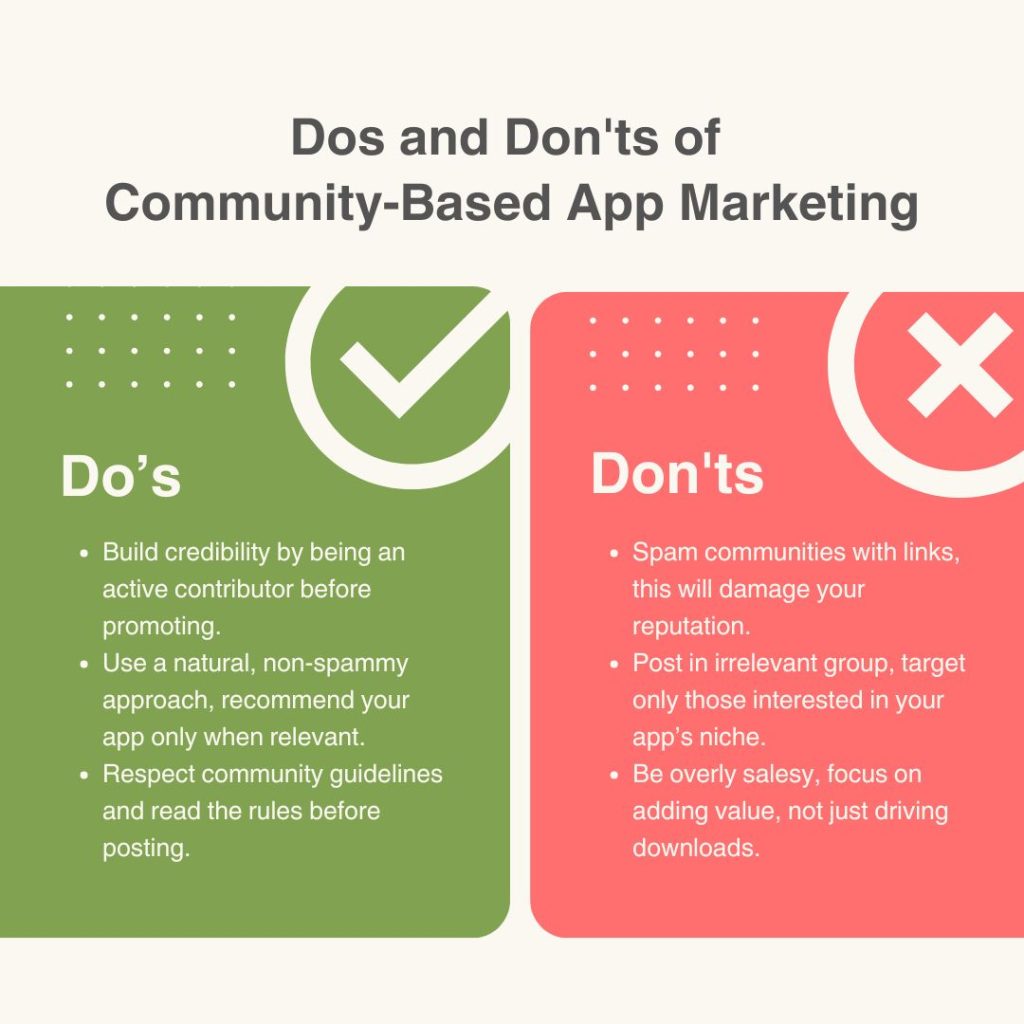
Platforms like Reddit, Quora, and industry-specific forums allow you to engage directly with potential users, answer their questions, and showcase how your app can solve their problems.
- Avoid posting direct ads because forced promotion can get you banned.
- Engage in discussions and offer genuine value before mentioning your app.
- Follow subreddit rules and post organically.
Quora
- Answer questions related to your app’s niche
- Subtly mention your app if it genuinely adds value.
- Example: If someone asks, “What is the best investment app?”, you can provide a list and include your app with a short explanation.
Industry-Specific Groups & Forums
Find what is suitable for your app. Many online communities cater to specific industries, such as:
- Stack Overflow (for developer tools)
- XDA Developers (for Android-related apps)
- Gaming forums (for mobile game promotion)
Example: Clippit, a quote-saving app, used Reddit’s r/androidapps to connect with users. They shared updates and interacted genuinely, resulting in 147 direct downloads and 101 organic downloads within a week, surpassing their download goal and achieving higher user engagement than paid campaigns.
10. Track and Optimize Performance
When you’re advertising an app, you need to track performance metrics and optimize your marketing efforts based on data. Analyzing key metrics helps you identify what’s working, what’s not, and where to improve.
There are many tools available to track and analyze your app’s performance, including:
- Google Analytics for Firebase: Tracks user engagement, retention, and in-app behavior.
- App Store Connect (iOS) & Google Play Console: Monitors downloads, reviews, and store rankings.
Key Metrics to Track
- Downloads & Install Rate: A low install rate may indicate weak marketing or a poor app store listing.
- Retention Rate: Measures how many users continue using your app after 1 day, 7 days, or 30 days. A low retention rate suggests that users are losing interest too soon.
- Daily & Monthly Active Users (DAU/MAU): Tracks the number of users engaging with your app daily or monthly.
- Engagement Metrics: Includes session duration, screen views, and in-app activity to measure how users interact with your app.
- Churn Rate: The percentage of users who uninstall your app after downloading. A high churn rate suggests issues with app usability, bugs, or lack of value.
- Conversion Rate: If you run paid ads, track how many clicks result in actual downloads. Low conversion rates mean your ad targeting or app store listing needs improvement.
Read: Essential KPIs and Metrics for Mobile Games: A Complete Guide
Conclusion
Promoting your app effectively requires a mix of organic and paid strategies. App Store Optimization, influencer marketing, referral programs, and analytics each play a crucial role in driving downloads.
Remember, mobile application promotion is an ongoing process. What works today might need adjustments tomorrow, so continuously track your app’s performance, gather user feedback, and optimize your approach.
Now it’s your turn! Try these app marketing strategies, track your results, and refine your approach.
Need help in promoting your app? Contact TyrAds now and get expertise from our professional teams who specialize in app growth strategies.